Fogged glasses
Humidity, masks and temperature changes can interrupt an otherwise ordinary day.
Start with a careful eye evaluation. Explore LASIK, Contoura Vision and other vision-correction options with the eye-care team at Sentra Clinic & Hospital, Malad East.
Suitability and results vary from person to person.
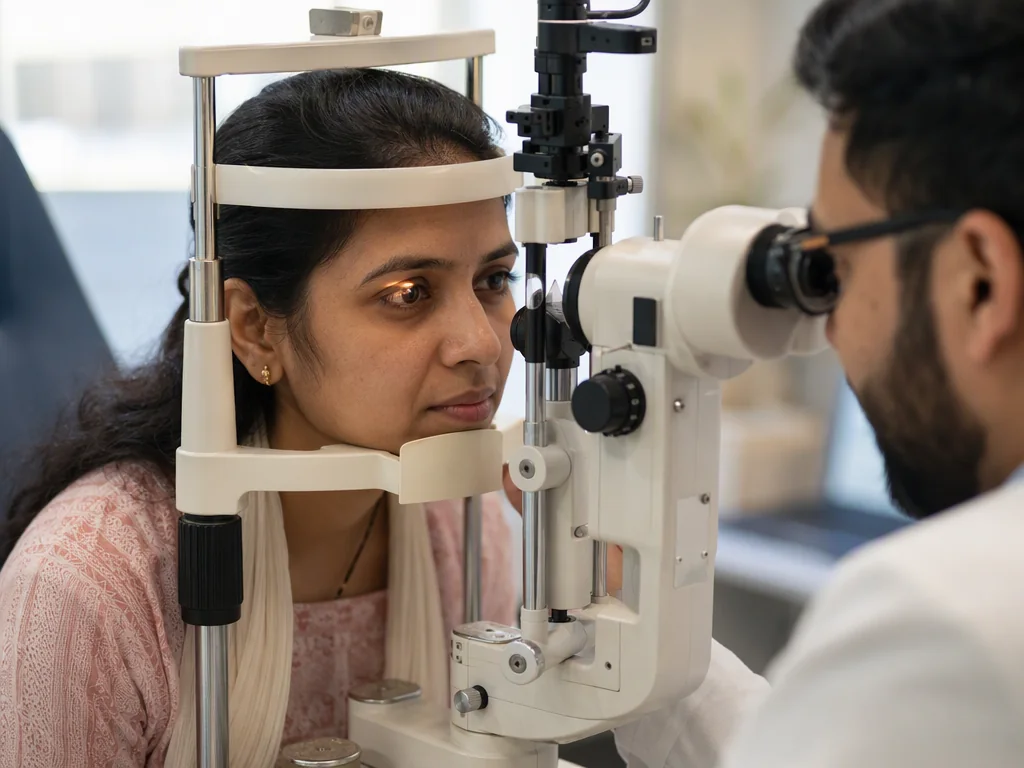
Measurements and a clinician discussion help guide your options.
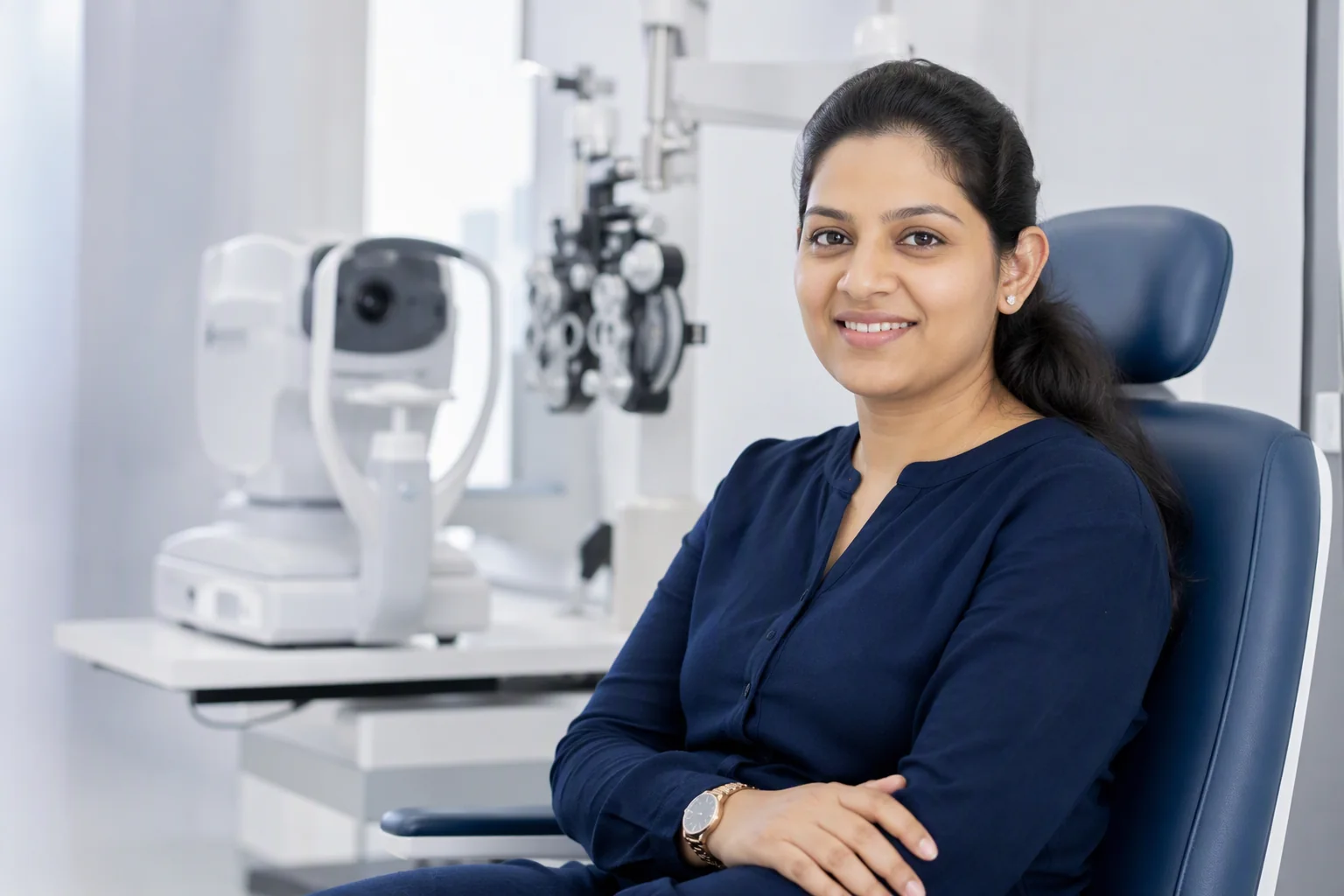
 Illustrative lifestyle image
Fogged lenses on a humid commute. Contact-lens cleaning at the end of a long day. Frames that interfere with a workout. These are common reasons people begin researching refractive correction.
For suitable patients, surgery may reduce dependence on corrective lenses. It does not guarantee that every person will stop using spectacles for every task.
Understand refractive errorsHumidity, masks and temperature changes can interrupt an otherwise ordinary day.
Contact lenses need consistent hygiene, storage and attention to dryness or discomfort.
Sport, travel and long workdays can make people curious about other correction options.
LASIK is laser eye surgery that reshapes the cornea—the clear front surface of the eye—to reduce certain prescriptions, including myopia, hyperopia and astigmatism. At a LASIK evaluation in Mumbai, an ophthalmologist checks prescription stability, corneal shape and thickness, tear film and overall eye health. These findings help determine whether LASIK, another option or no surgery is appropriate.
Read the complete LASIK guideNearsightedness can make distance objects blurred. A minus prescription compensates for the focusing pattern.
Farsightedness can contribute to near-work strain or blur, with symptoms varying by age and degree.
Uneven focusing can cause distorted or shadowed vision and often occurs with myopia or hyperopia.
The appropriate technique depends on the individual eye, not just a spectacle prescription or a preference for the newest-sounding technology.
A femtosecond laser creates the flap before excimer-laser reshaping. Corneal structure, dry eye and eye health guide suitability.
How femtosecond LASIK works Screening required · confirm current availabilityTopography information guides a personalised laser plan. Detailed mapping does not promise super-normal vision.
Explore topography-guided correction Screening requiredA corrective lens is placed inside the eye without corneal reshaping. Intraocular measurements and follow-up are essential.
Understand implantable lenses Screening requiredSurface laser treatment avoids a LASIK flap but usually has a different early comfort and recovery pattern.
Learn about surface treatment Screening required · confirm availabilitySMILE removes a small lenticule through a small incision. Suitability and availability depend on the clinic and individual assessment.
Read the educational SMILE guide Availability requires clinic confirmationA consultation helps decide whether surgery is suitable, which alternatives matter and what realistic expectations look like.
The final recommendation follows an in-person examination. A website form or spectacle number cannot decide candidacy.
Review Eligibility QuestionsCurrent refraction and how it has changed over time.
Mapping and measurements interpreted together.
Symptoms, tear film and eyelid health.
A comprehensive view beyond the cornea.
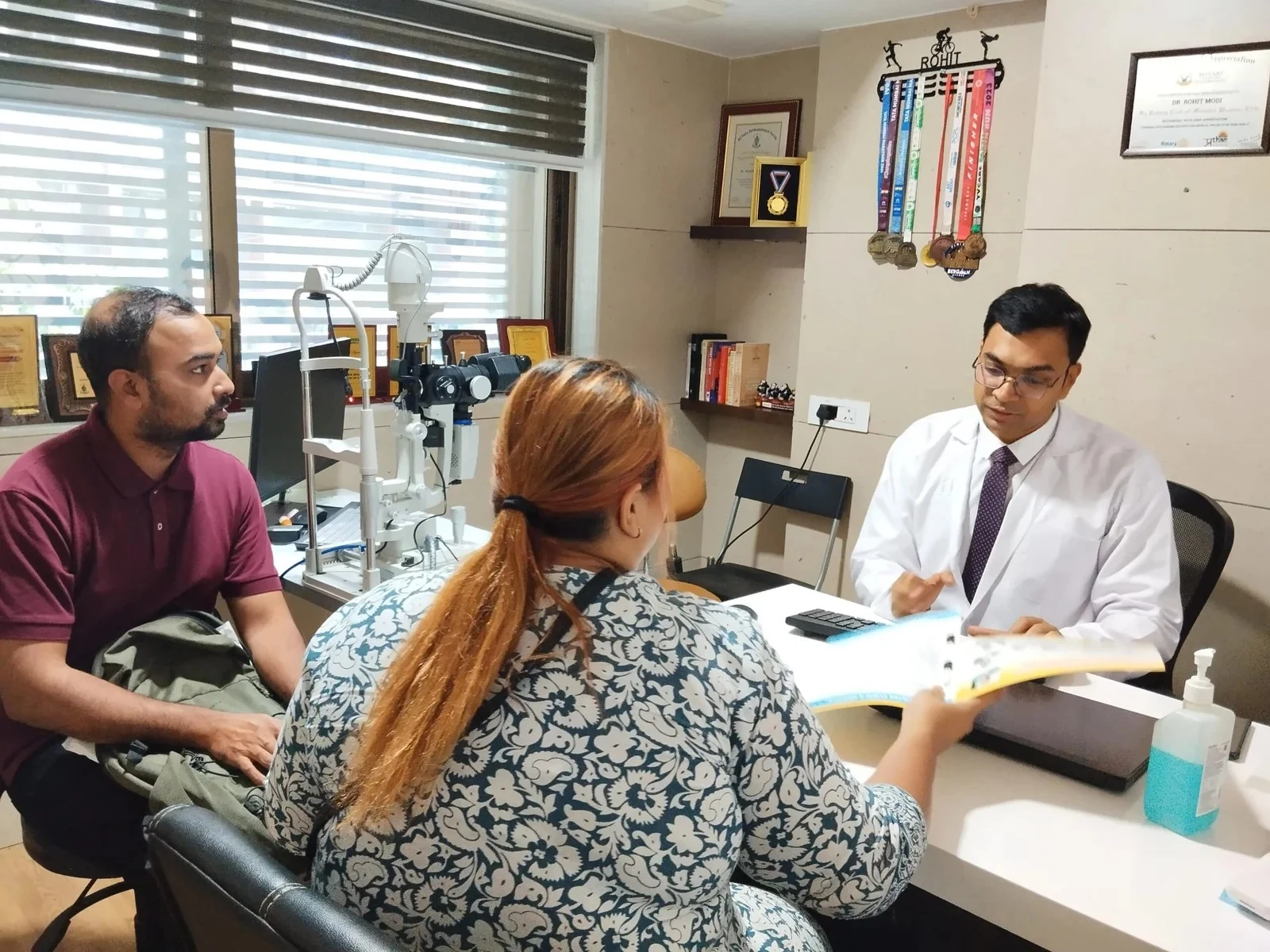
Alternatives, uncertainties and your visual priorities.
Discuss your prescription, routine, concerns and expectations.
Measure the cornea, ocular surface and overall eye health.
Understand suitable options—or why surgery may not be advised.
If treatment proceeds, follow individual aftercare and review guidance.
Reduced dependence on lenses can make some routines feel simpler for suitable patients. Some people may still need spectacles for certain activities or with age.




Lifestyle photographs are illustrative and do not show treatment results.
This summary supports a conversation; it does not rank procedures or replace an individual recommendation.
| Question | LASIK | Contoura | ICL |
|---|---|---|---|
| What changes? | Corneal shape | Corneal shape using topography guidance | A lens is placed inside the eye |
| Corneal flap? | Yes | Usually, as LASIK | No |
| Screening priorities | Cornea, tear film, eye health | Reliable maps plus LASIK workup | Chamber, endothelium, pressure, retina |
| Recovery | Individual and often faster than surface treatment | Similar LASIK considerations | Different intraocular aftercare |
| Ask the surgeon | Why laser? | Does mapping add benefit? | Why an implantable lens? |
Dry eyes, glare, halos, fluctuating vision, under- or overcorrection and rarely serious complications are possible. Not every effect resolves on the same timetable, and some can persist.
Discuss alternatives and realistic expectations before consenting to elective treatment.
Understand Risks & Side EffectsArrange travel home and follow instructions on drops, rest and eye protection.
Vision and comfort may fluctuate. Attend the planned review and avoid rubbing.
Return to activities only according to healing and surgeon-directed advice.
Follow-up monitors vision, symptoms and any longer-term concerns.
Official portraits and representative illustrative visuals are identified separately—never presented as patient results.
The surgeon can explain alternatives, postponement or remaining with glasses. Not operating is a valid recommendation.
Age-related near-vision changes can still occur after successful distance correction.
Yes. Ask for a written estimate with the procedure, billing unit, inclusions and exclusions.
No patient reviews are shown without documented consent and publication approval.
All consultations take place at Sentra Clinic & Hospital on Rani Sati Road, Malad East. These locality links describe service reach—not additional branches.
Address, directions and mapShort answers for early research, with more detail available throughout the patient guide.
View All 24 FAQsShare your details and our team can help arrange an eye evaluation at Sentra Clinic & Hospital, Malad East.
For urgent eye symptoms, seek direct prompt medical assessment rather than using this form.